Flame work or Lamp work
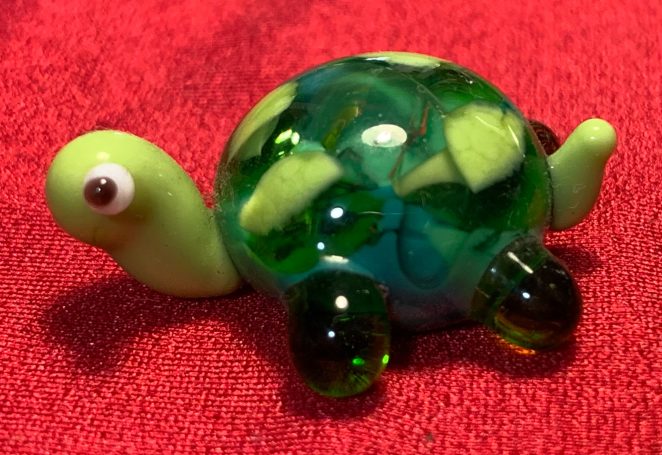
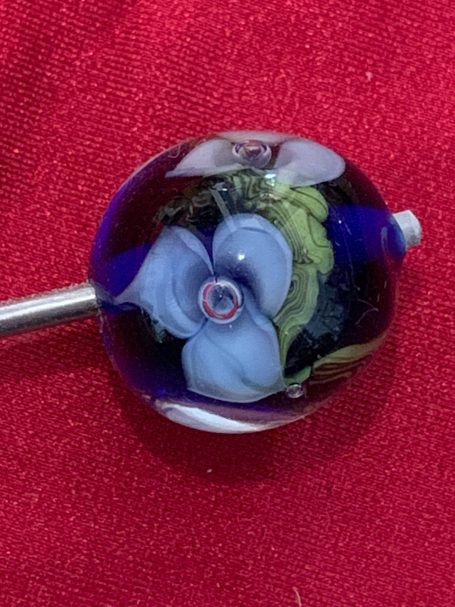
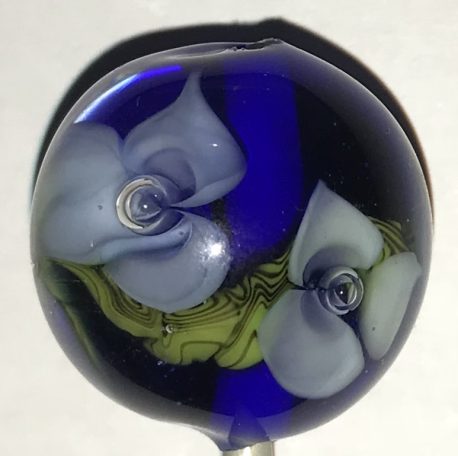
Glass lampwork, also known as flamework, is a technique in which glass is shaped and decorated using a focused flame. Traditionally practiced at an oil lamp, and now more commonly with a gas torch, lampworking allows artists to melt glass rods or tubes and manipulate them into intricate forms. The process is valued for its immediacy and precision, making it ideal for small-scale objects such as beads, figurines, and sculptural details.
The process begins by introducing glass into the flame until it becomes molten and pliable. The artist rotates the glass continuously to maintain even heat and prevent distortion. Using gravity, breath, and hand tools such as tweezers, paddles, or graphite molds, the softened glass is shaped and refined. Different colours can be layered, blended, or encased to create depth and pattern within the glass.
As the glass cools, internal stresses can form, so finished pieces must be annealed in a kiln. Annealing involves gradually cooling the glass to relieve tension and ensure durability. This final stage is essential to the integrity of the work. Glass lampwork combines technical skill with spontaneity, allowing artists to respond directly to the material while exploring colour, form, and light in a highly tactile way.