Mosaic
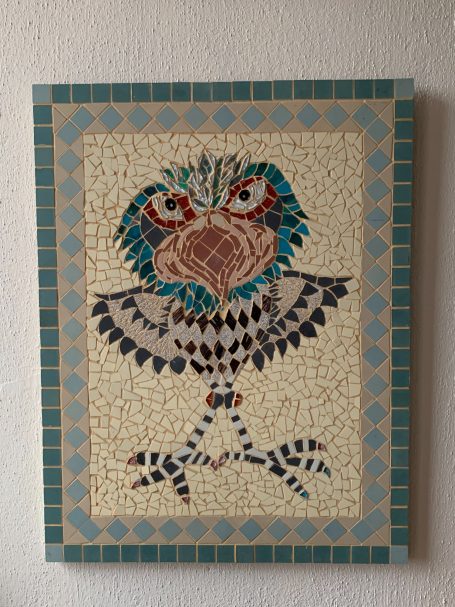
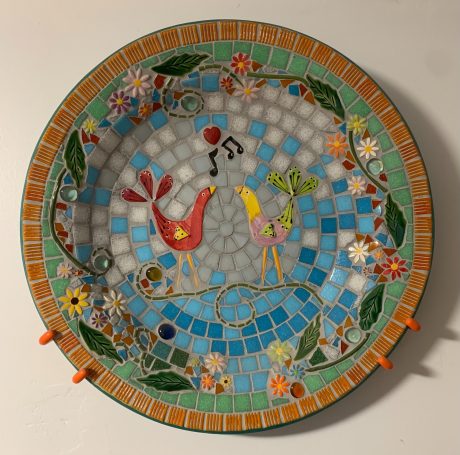
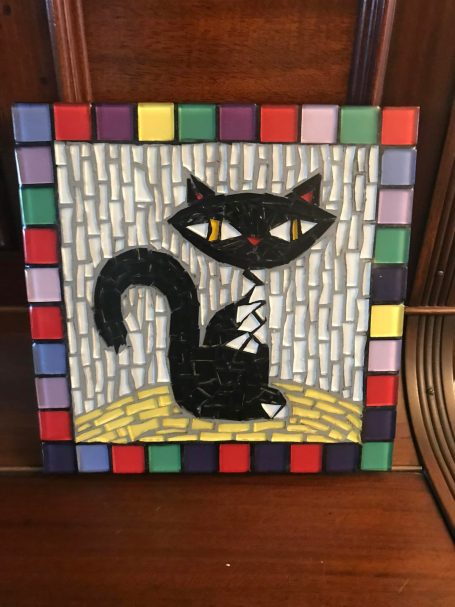
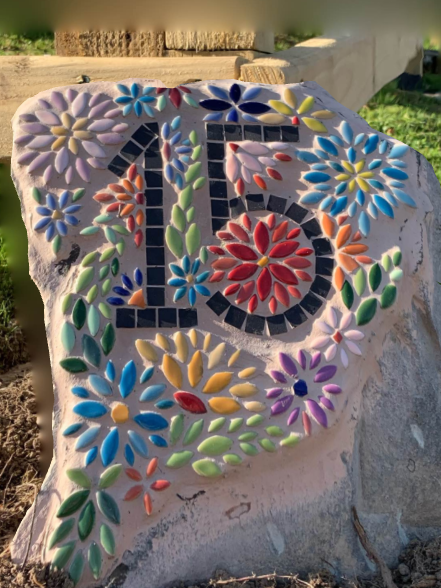
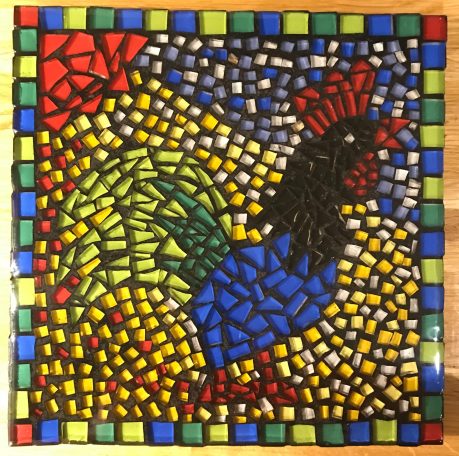
The process of creating a mosaic is a careful balance of planning, material selection, and patient assembly. It begins with a design or concept, often drawn directly onto the surface or prepared as a guide. This design determines the flow of shapes, colours, and patterns that will emerge in the finished work.
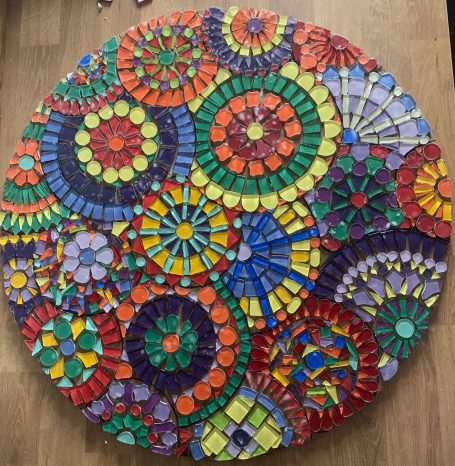
Next, the artist selects the tesserae—the small pieces that make up the mosaic. These may be glass, stone, ceramic, tile, or found materials, chosen for their colour, texture, and reflective qualities. Tesserae are cut or shaped using hand tools such as nippers or hammers, allowing for both precision and expressive variation.
The prepared pieces are then set into adhesive or mortar on a solid base. Placement is deliberate, with attention given to spacing, direction, and alignment. The way tesserae are angled can influence how light moves across the surface, adding depth and movement. This stage is often slow and methodical, as each piece contributes to the overall image.
Once all tesserae are secured, grout is applied to fill the gaps and bind the work together. Excess grout is removed, and the surface is cleaned and polished. The completed mosaic reveals a unified image formed from many fragments, celebrating both structure and individuality.