

About Me

Welcome to Bearden Crafts!
From my studio on the shores of Strangford Lough, I create at the intersection of light, fiber, and element. The landscape outside my window is defined by constant transition—the shifting tides, the dance of coastal light, and a rich tapestry of textures. My work is a direct reflection of this environment, refusing to be bound by a single medium.
My creative practice moves with its own natural rhythm. I capture the lough’s brilliant, refracted light through the sharp geometry of stained glass and mosaic, then ground myself in the quiet, meditative storytelling of weaving, embroidery, and paper craft. In quieter moments, my work turns to a sensory alchemy, transforming raw ingredients into the comforting, tactile warmth of handcrafted soaps and candles.
To me, art is an act of translation. Whether guiding a thread through fabric, pouring molten wax, or piecing together fragments of glass, I am capturing the essence of life around me. I create not to master a single tool, but to explore the endless ways the raw world can be shaped into something beautiful and alive with expression and soul.
Thank you for stopping by and supporting independent handmade craft—please take a look around the gallery & shop to find something that grabs your attention or send me a message request for something special created just for you!
Handcrafted with love - Stay colourful
Janet
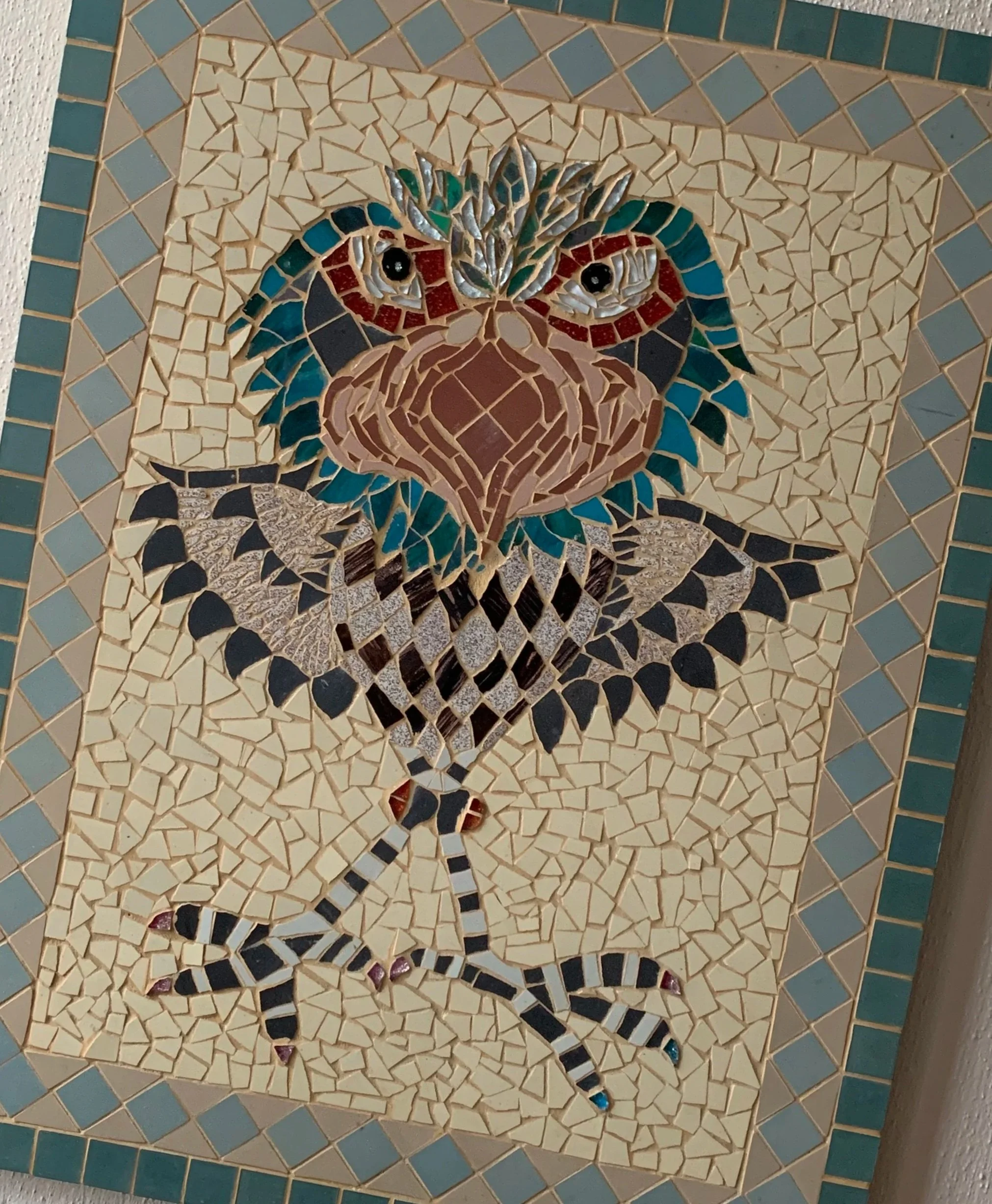
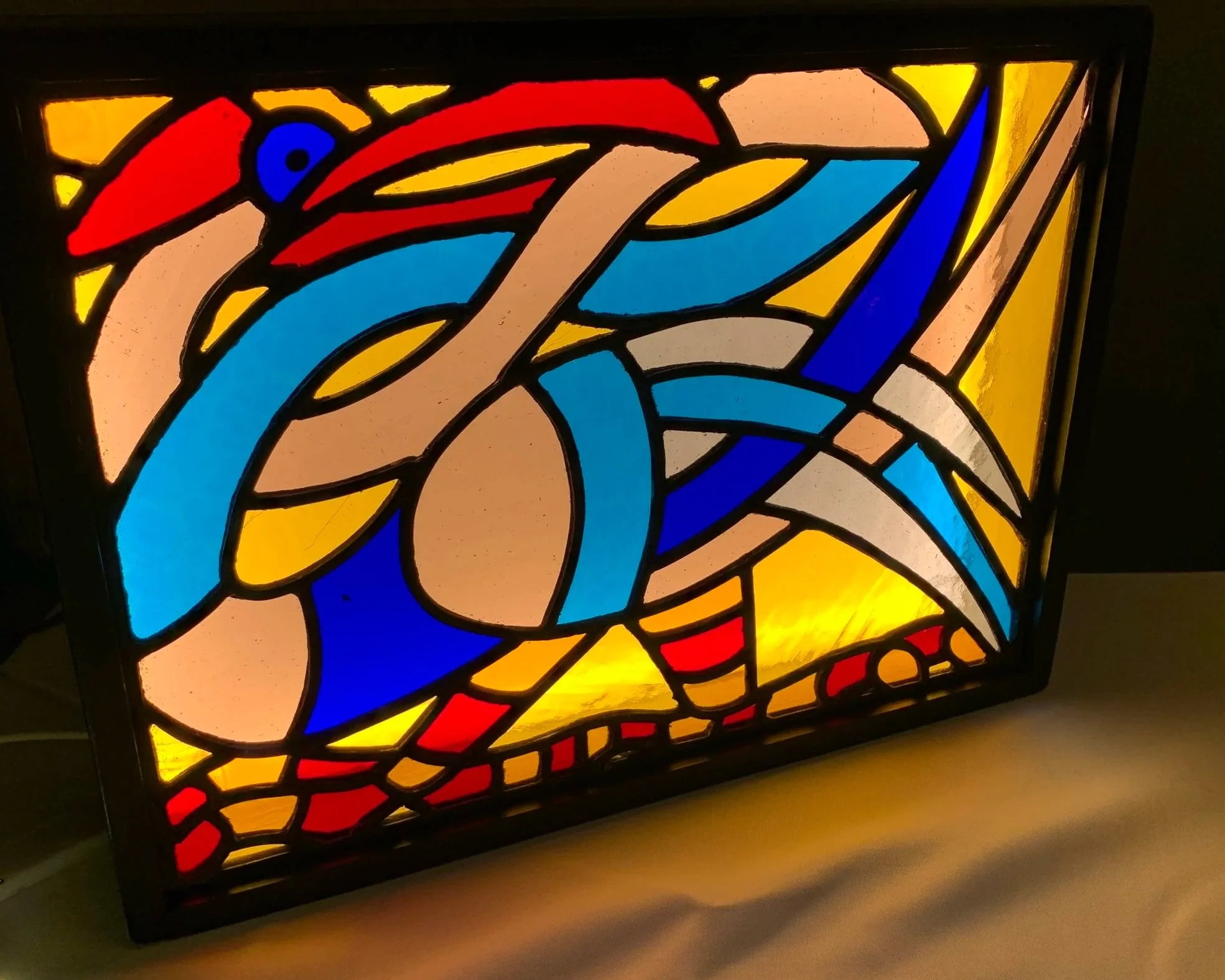
Transforming Light: The Timeless Art of Stained Glass
Stained glass is a timeless craft that transforms colored glass and lead into glowing works of art through two primary methods: copper foil and lead came.
The creative journey always begins by meticulously cutting and grinding individual glass pieces from a detailed pattern layout, preparing them to be seamlessly bound together.
The choice between these two assembly techniques defines both the style and structure of the final piece:
The Copper Foil Method: Popularized by Louis Comfort Tiffany, this technique involves wrapping the edge of every glass piece in adhesive-backed copper tape before soldering the joints together. Because it allows for incredibly thin, delicate lines, it is perfect for highly intricate details, tight organic curves, and three-dimensional creations like iconic lampshades.
The Lead Came Method: This traditional approach utilizes flexible, H-shaped lead channels to frame the glass pieces. The artist solders only the metal intersections and then rubs a specialized putty into the gaps. This creates a sturdy, weather-resistant, and uniform grid that is ideal for large-scale architectural windows.
Explore the gallery to view my latest creations, or contact me today to bring your custom stained glass vision to life.
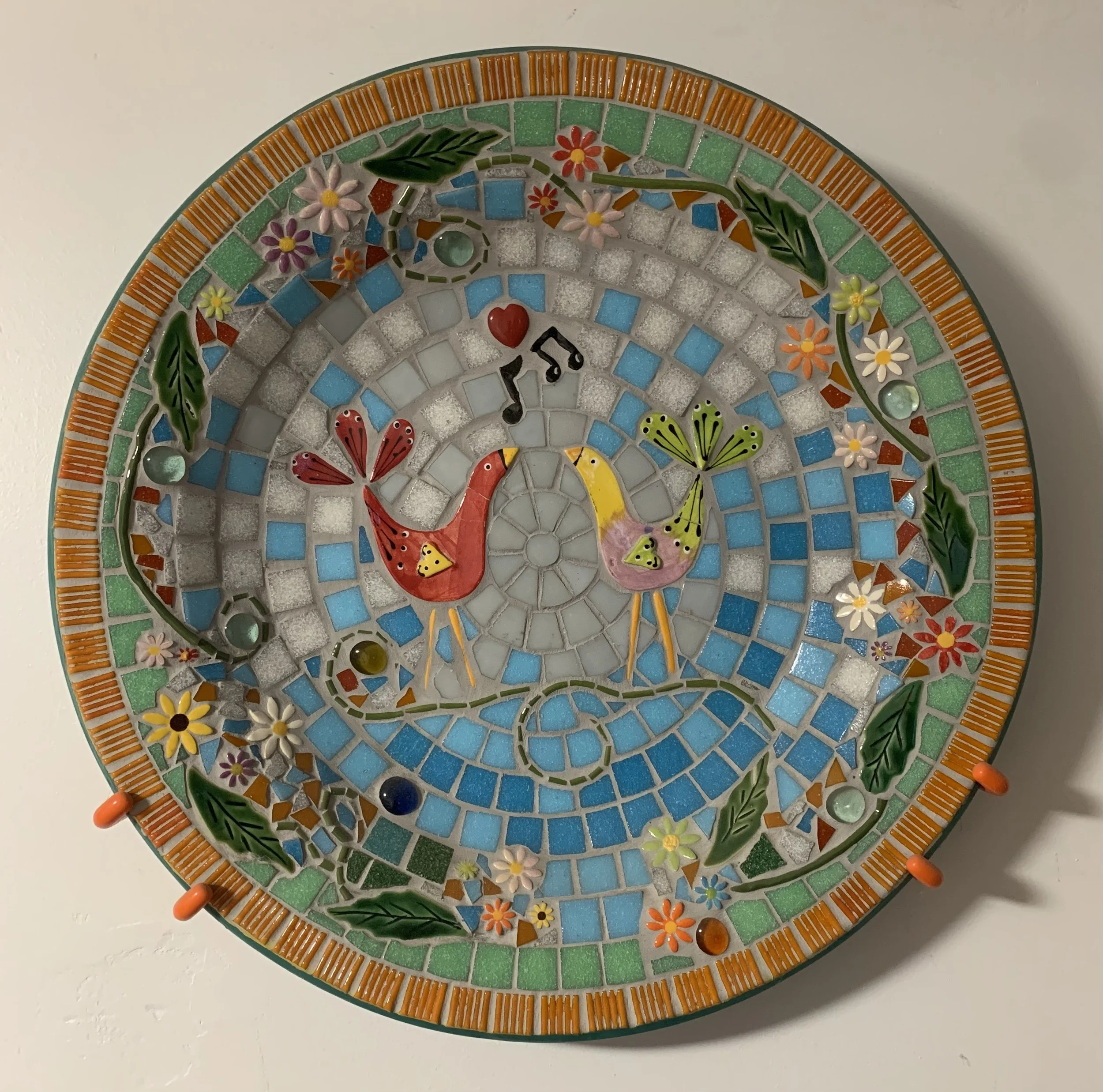
Piece by Piece: The Vibrant World of Mosaic Art
Mosaic art is an ancient and enduring craft that transforms small, individual pieces of material—known as tesserae—into vibrant, textured imagery. The creative process begins by selecting materials like stained glass, ceramic tile, unglazed porcelain, or natural stone, which are precisely cut or nipped into shape or moulded. Artists then arrange these pieces into intricate layouts, using the spacing between them to guide the viewer’s eye and create a sense of movement.
The choice of assembly method depends on the project's complexity and its final location:
The Direct Method: In this approach, the artist glues each individual piece directly onto the final surface before filling the gaps with grout. This technique is ideal for three-dimensional objects, small decorative items, and flat indoor surfaces where the artist wants to see the design develop in real time.
The Indirect Method: Perfect for large-scale installations, this method involves gluing the pieces upside down onto a temporary paper or mesh backing. The entire mosaic is then transferred to its final location, pressed into mortar, and the backing is removed before grouting. This creates a perfectly flat, durable surface ideal for floors, outdoor murals, and high-traffic architectural spaces.
Explore the gallery to view my latest mosaic creations, or contact me today to bring your custom mosaic vision to life.
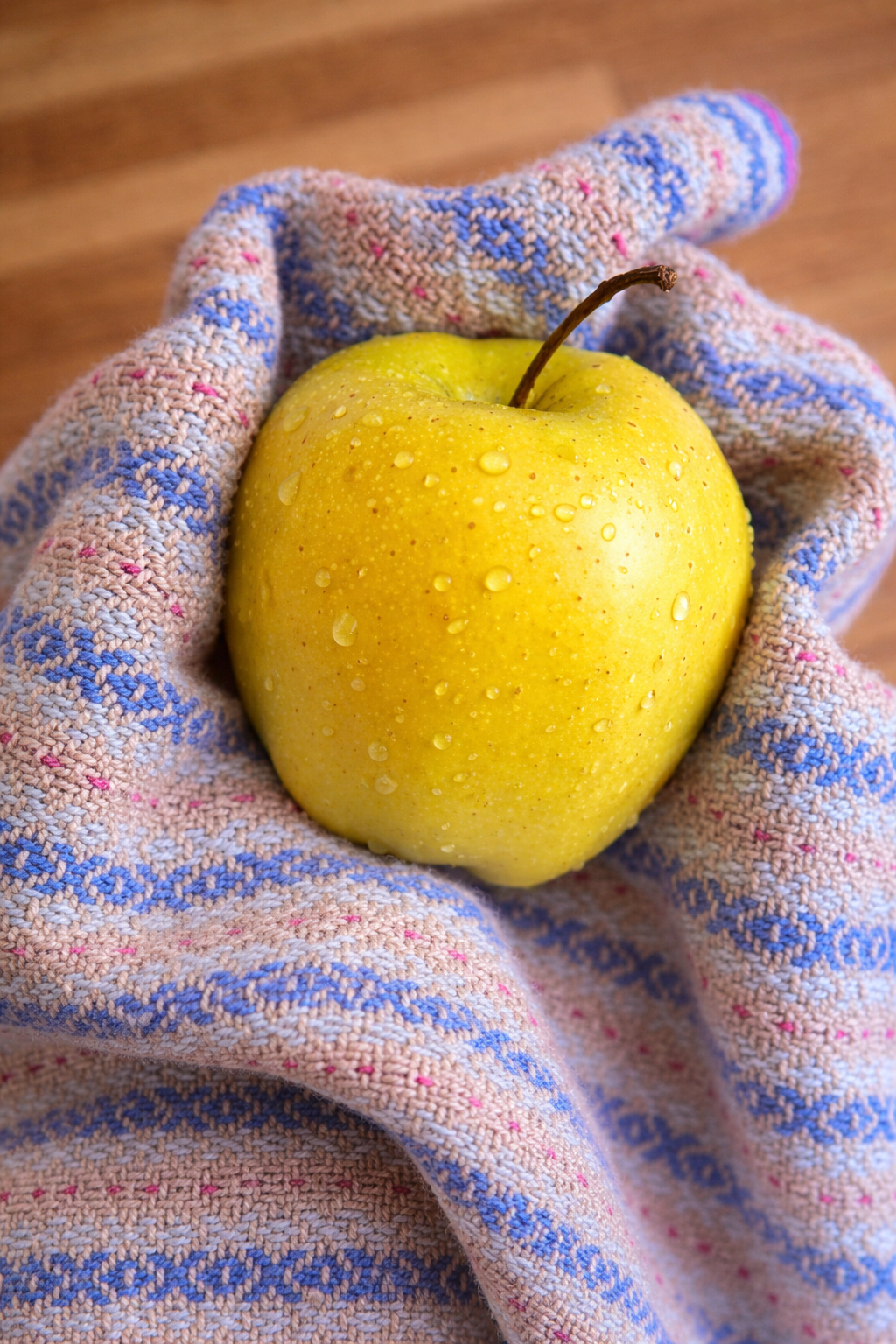
Thread by Thread: The Timeless Art of Handweaving
Four-shaft loom weaving is a captivating heritage craft that transforms individual threads into functional, beautifully patterned textiles. The process begins with warping, where hundreds of parallel threads are measured and wound onto the loom under tension. These threads are then threaded through eyes in the loom's four independent frames—called shafts—which lift and lower specific groups of threads to create a space (the shed) for the horizontal thread, or weft, to pass through.
The interplay between how the loom is threaded and the order in which the shafts are lifted allows the weaver to create structural patterns:
The Plain Weave (Tabby): The most fundamental weaving structure, where the weft alternates over and under every single warp thread. This creates a balanced, exceptionally strong, and flat fabric that serves as the perfect canvas for showcasing vibrant color blocks, hand-spun textures, and classic plaid designs.
Patterned Weaves (Twill & Overshot): By lifting combinations of shafts in specific sequences, the weaver can create intricate, staggered structures like diagonal twills, herringbones, or elaborate geometric overshot patterns. These techniques produce fabrics with beautiful drape, rich visual depth, and a uniquely tactile, textured surface.
Explore the gallery to view my latest handwoven textiles, or contact me today to bring your custom weaving vision to life.
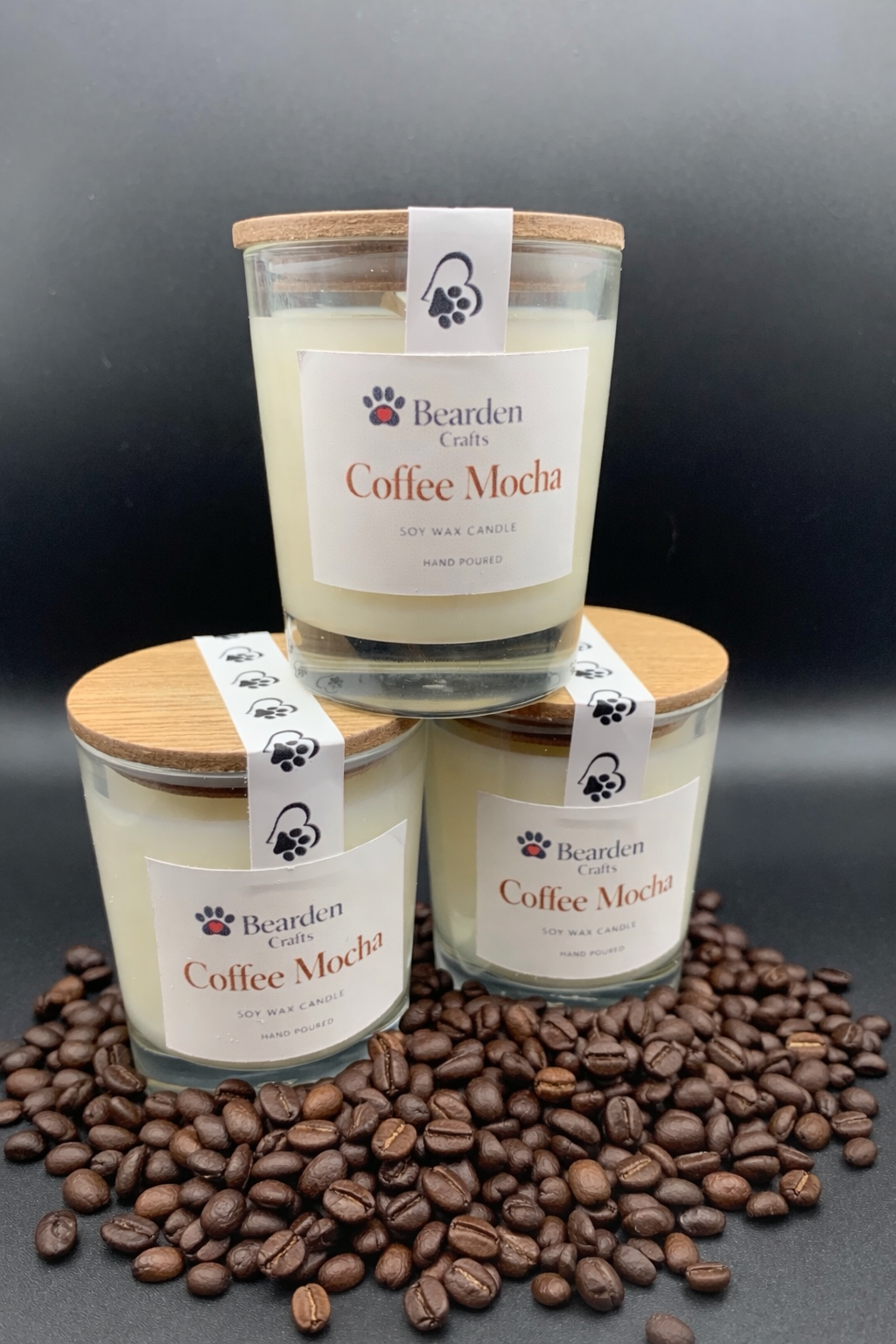
Iluminating Spaces: The Art of Hand-Poured Candles
Container candle making is a soothing, sensory craft that transforms premium wax and custom fragrance oils into beautiful, ambient lighting. The process begins with selecting the ideal vessel—such as glass jars, ceramic pots, or travel tins—and securely centering the wick. The chosen wax is then carefully melted, combined with fragrance oils at the optimal temperature to ensure a strong scent throw, and hand-poured into the container to cure into a clean-burning, aromatic piece.
The choice of ingredients defines both the performance and the sensory experience of the candle:
The Wax Blend (Soy, Coconut, or Beeswax): Different natural waxes affect how a candle burns and holds scent. For example, soy and coconut waxes are highly popular for container candles because they are eco-friendly, burn slowly at a lower temperature, and provide a smooth, creamy finish that adheres beautifully to container walls.
Fragrance & Essential Oils: The aromatic profile is carefully crafted using either curated fragrance oils. The balance of these oils determines how the scent fills a room when the candle is cold (cold throw) as well as when it is actively burning (hot throw).
Explore the collection to view my hand-poured candles, or contact me today to create a custom scent.
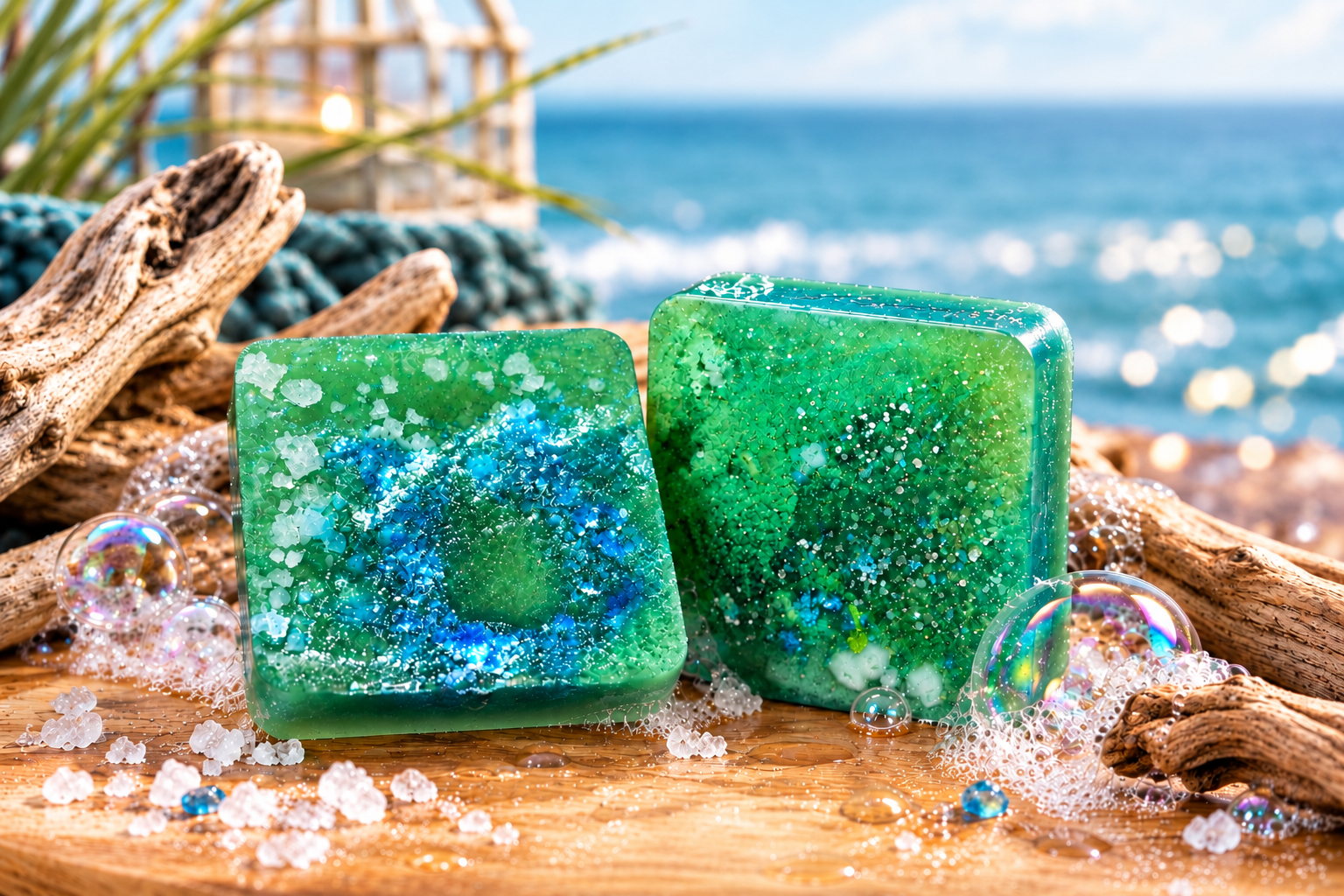
Sculpted Lather: The Creative World of Artisanal Soap
Melt and pour soap making is a highly creative craft that blends artistic design with nourishing skincare. The process utilizes a pre-saponified, high-quality soap base—often enriched with skin-loving ingredients like glycerin, shea butter, or goat’s milk. The artist melts the base, incorporates skin-safe colorants and fragrances, and pours the liquid into molds where it cools and solidifies into a beautiful, ready-to-use bar of soap.
The versatility of this method allows the artist to focus entirely on design, texture, and customization:
Visual Artistry (Swirls, Layers, & Embeds): Because the melted base behaves beautifully in liquid form, artists can create intricate multi-colored layers, cosmic swirls, or embed dried botanicals and smaller soap shapes inside a clear base. This technique turns everyday bath products into miniature, transparent works of art.
Skin-Nourishing Additives: Beyond color and scent, the soap can be customized for different skin types by infusing beneficial additives. Incorporating natural exfoliants like oatmeal or coffee grounds, or soothing agents like honey, creates a functional, luxurious lather.
Explore the gallery to view my latest soap creations, or contact me today to design custom soaps for gifts and celebrations.
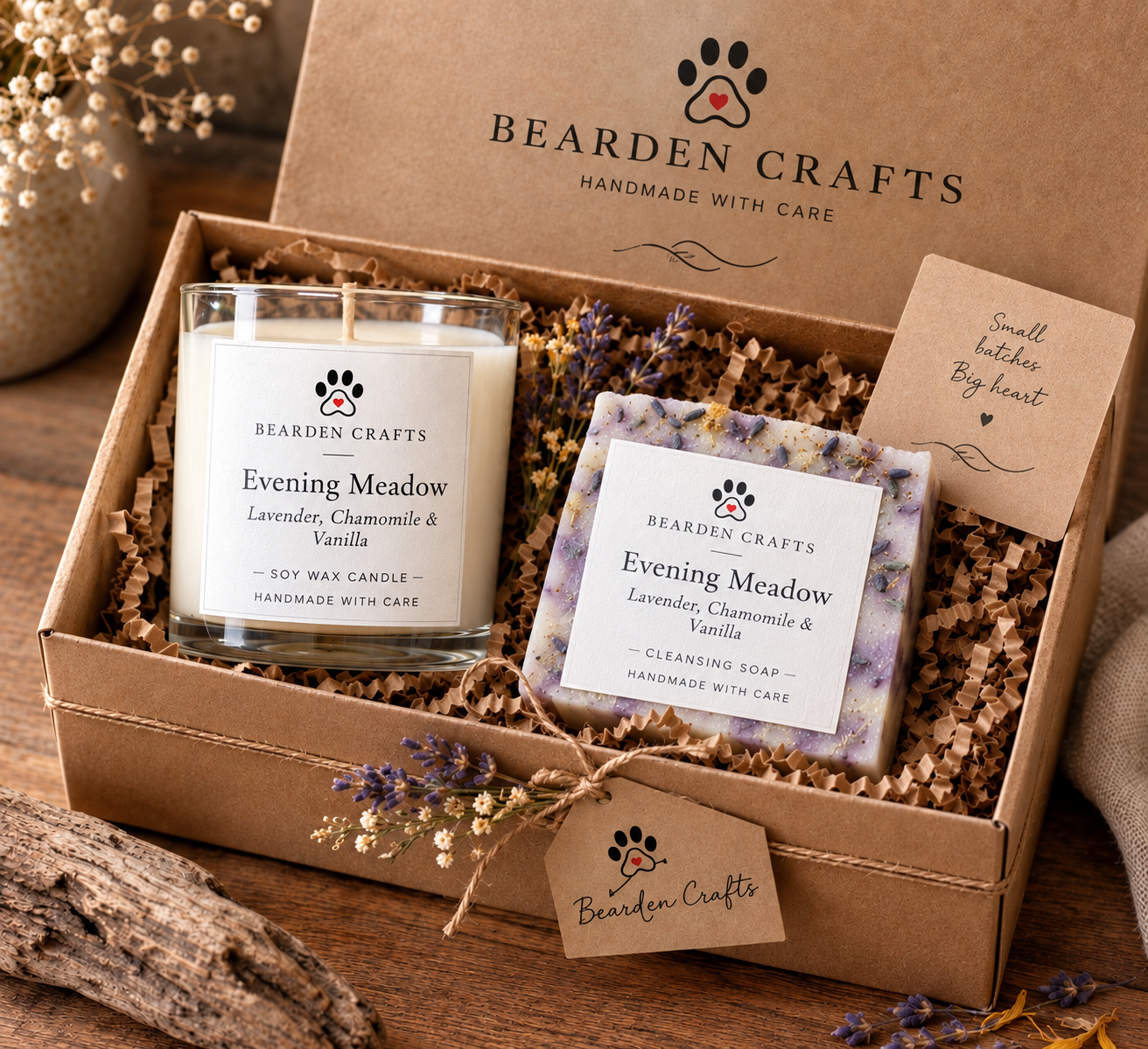
Thoughtfully Packed: Handcrafted Hampers & Custom Paper Design
Bespoke gift hampers bring all of these unique, handcrafted treasures together into one unforgettable sensory experience. The journey doesn't end with the creations themselves; the presentation is an art form of its own. Every carefully selected collection of candles, soaps, textiles, or glass art is nestled inside custom, bespoke handmade paper boxes and accompanied by personally created papercraft cards, elevating a simple gift into a deeply meaningful keepsake.
The magic of these hampers lies in the deliberate, thoughtful details of the packaging and personal touch:
Bespoke Handmade Paper Boxes: Rather than using mass-produced containers, each box is crafted by hand to perfectly fit its contents. Utilizing textured, heavyweight handmade paper, these boxes offer a luxurious, tactile first impression and are durable enough to be kept and repurposed long after the gifts inside have been enjoyed.
Personally Created Papercraft Cards: A handwritten message deserves a beautiful canvas. Each card is an individual piece of art, incorporating techniques like delicate paper cutting, elegant layering, or embossed textures. These custom cards ensure your personal sentiments are delivered with the same artistic care as the gifts themselves.
Explore the curated collections to find the perfect gift, or contact me today to design a completely custom hamper tailored to your special occasion.